

Window options
Compare window choices around the way your home works.
See how operating styles, frame materials, glass packages, and complete-product ratings change the view, ventilation, upkeep, comfort, and project scope.
- See every primary option
- Compare practical tradeoffs
- Build better quote questions
Question 1
How should the window open?
Start with room use, ventilation, cleaning access, exterior clearance, view, and any opening or safety requirements. The operating style changes how you use the window every day.
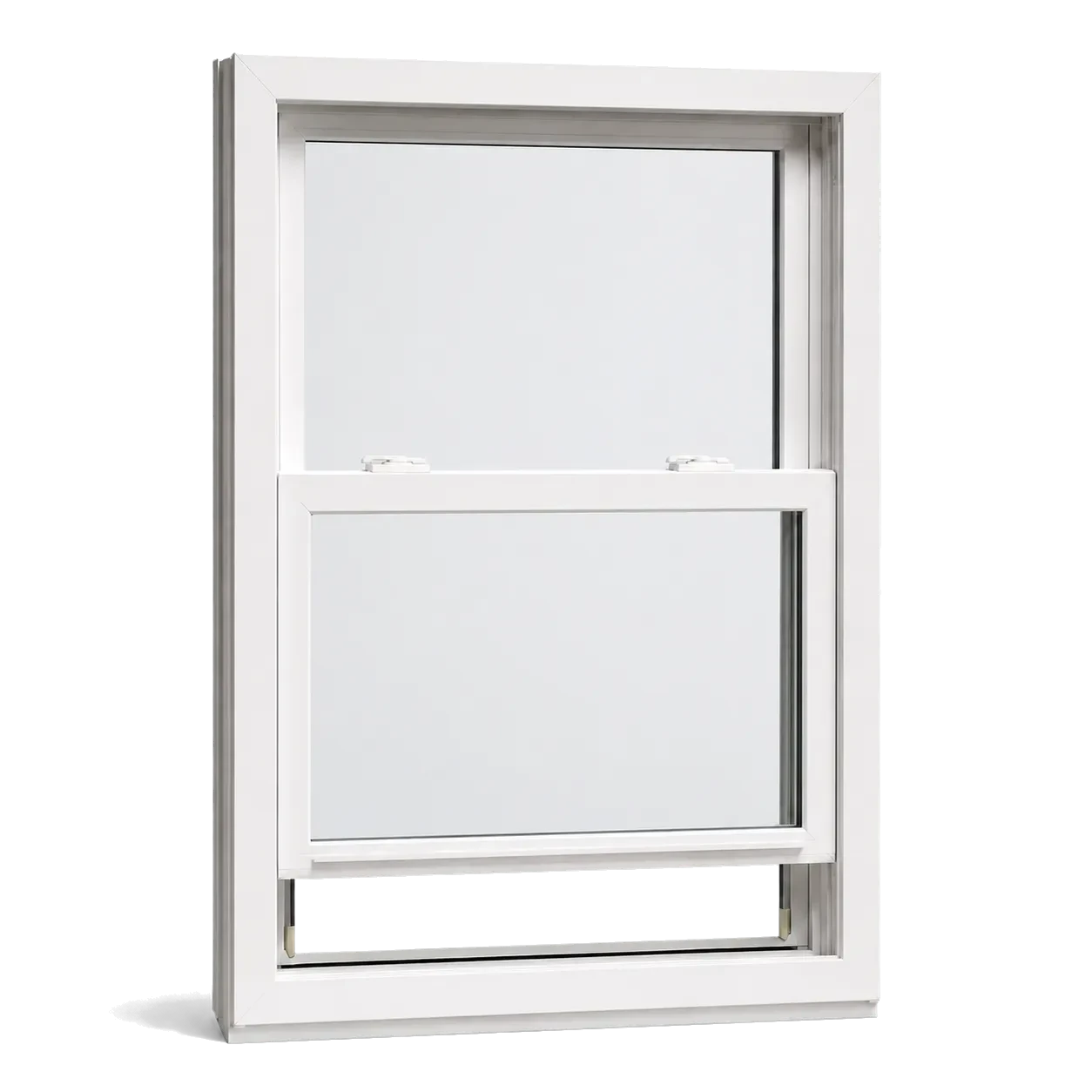
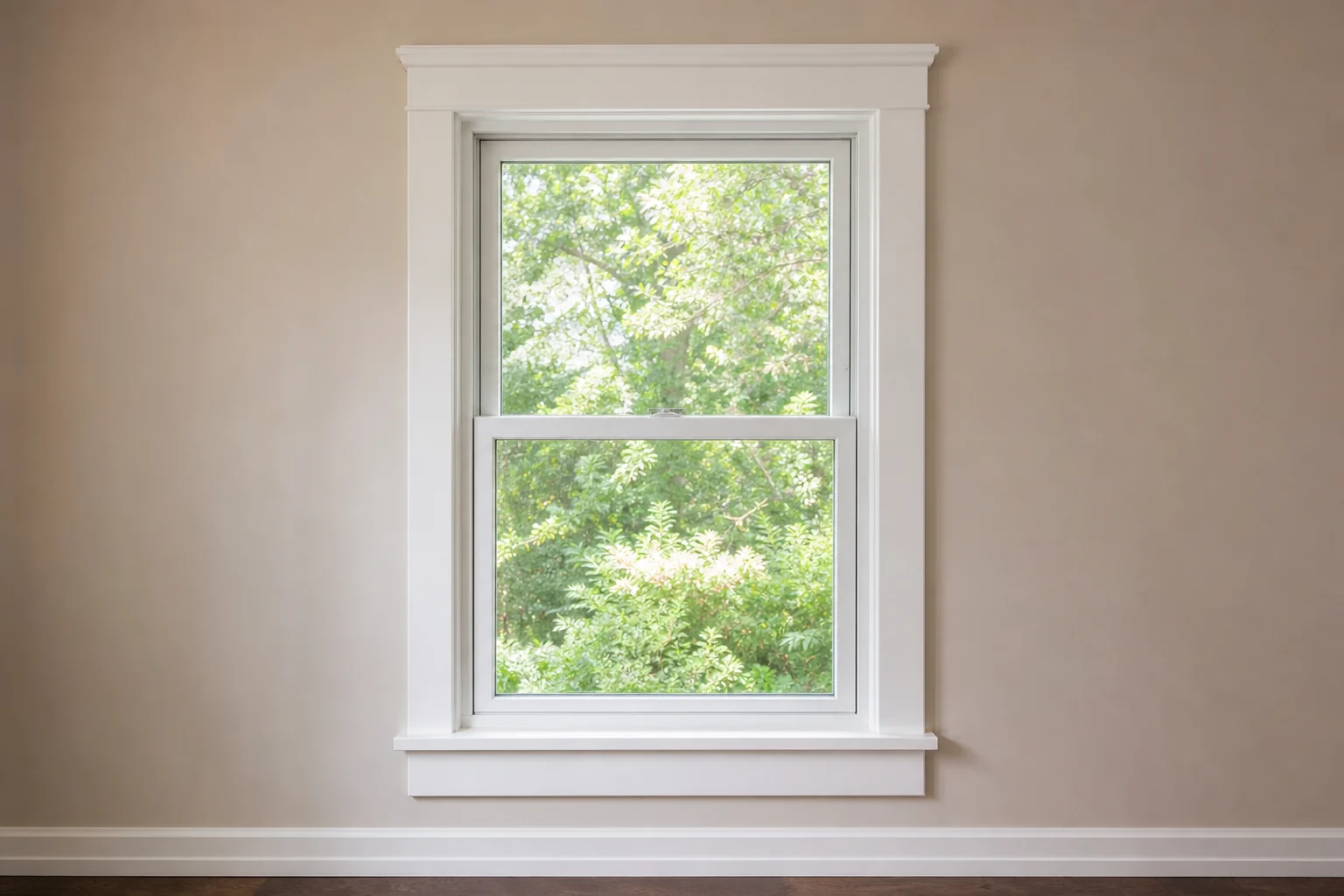
- Operating styleDouble-Hung WindowsA vertically operated window with an upper and lower sash designed to move within the frame.Decision cue: Rooms where vertical operation fits the openingExplore
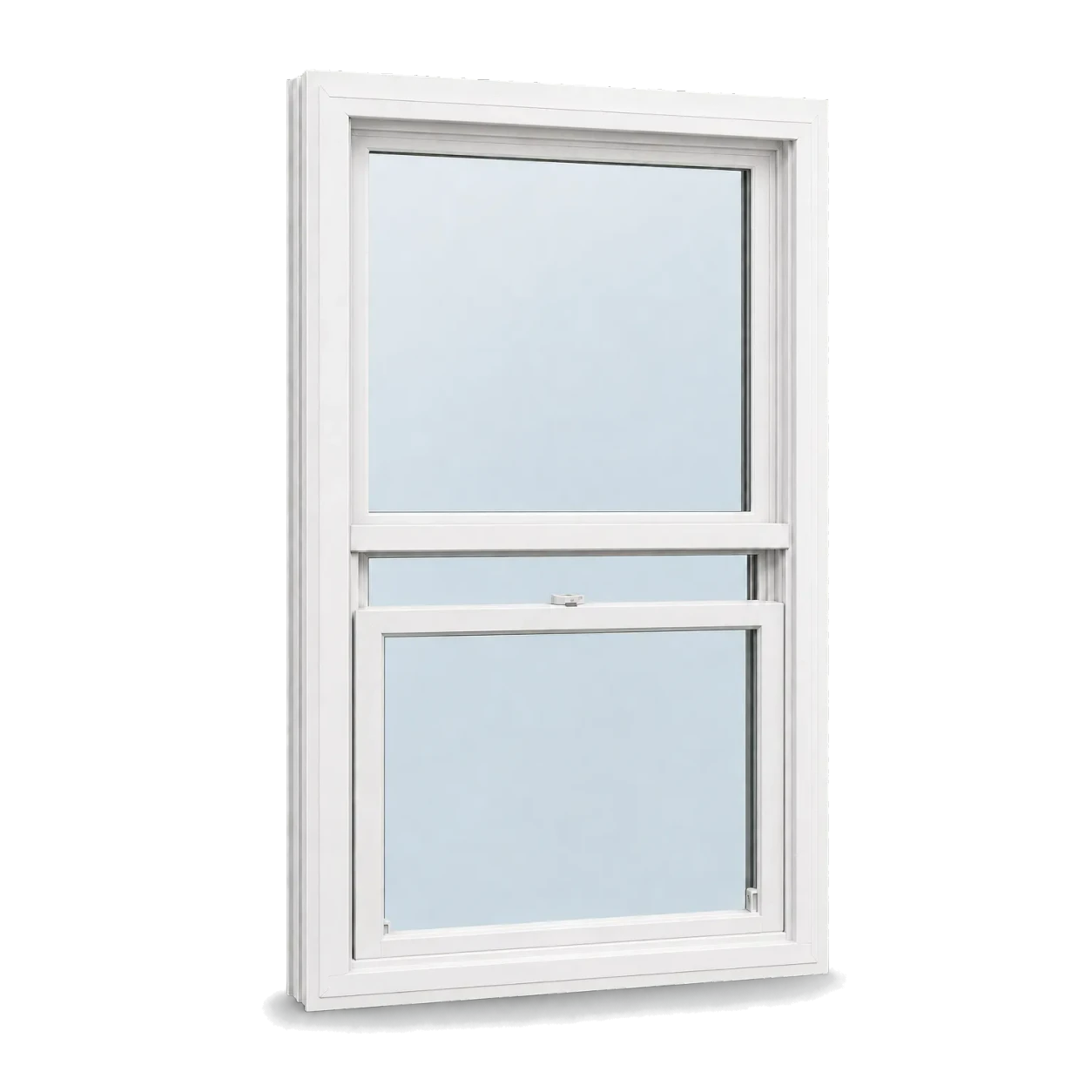
- Operating styleSingle-Hung WindowsA vertically operated window that generally has a movable lower sash and fixed upper sash.Decision cue: Rooms suited to vertical operationExplore
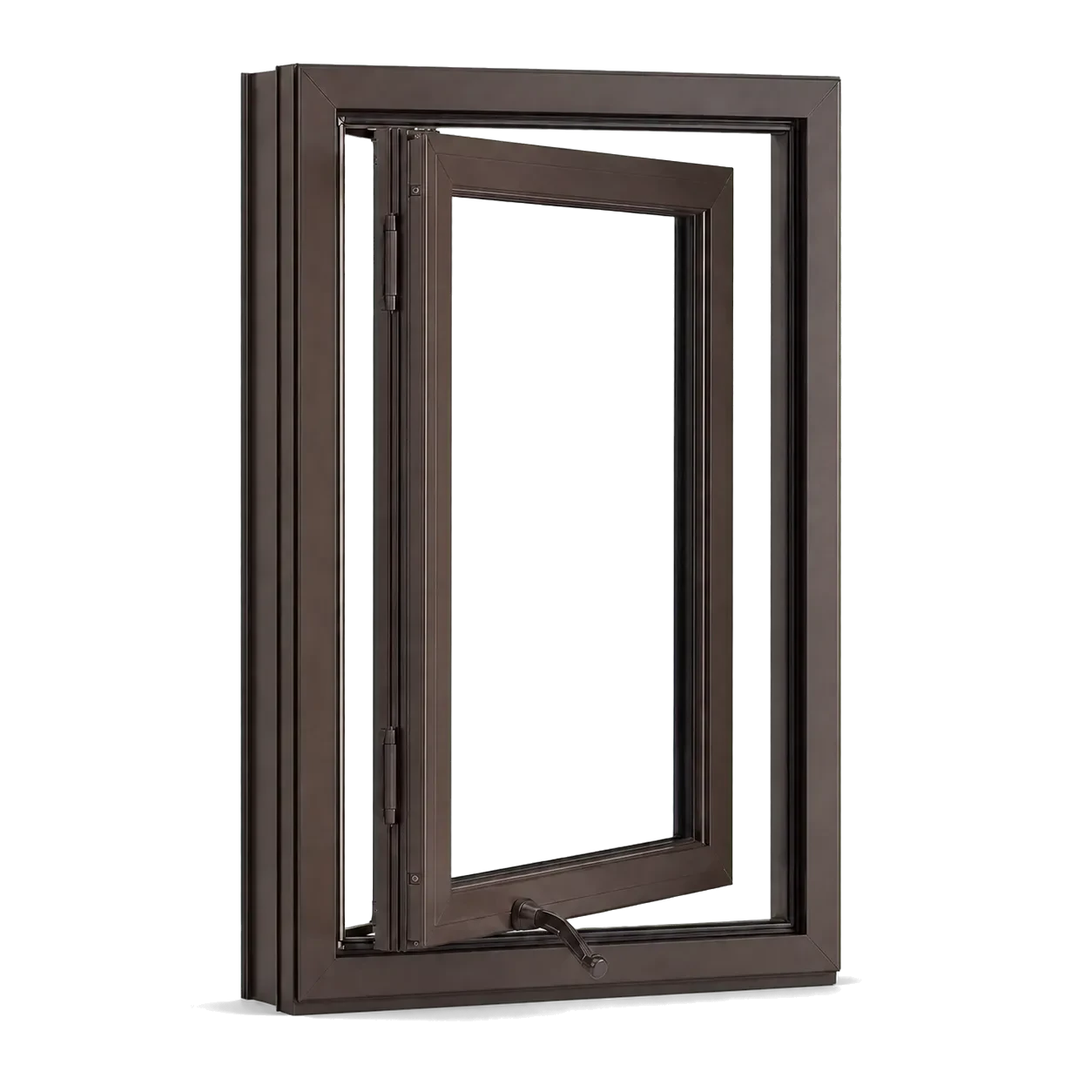
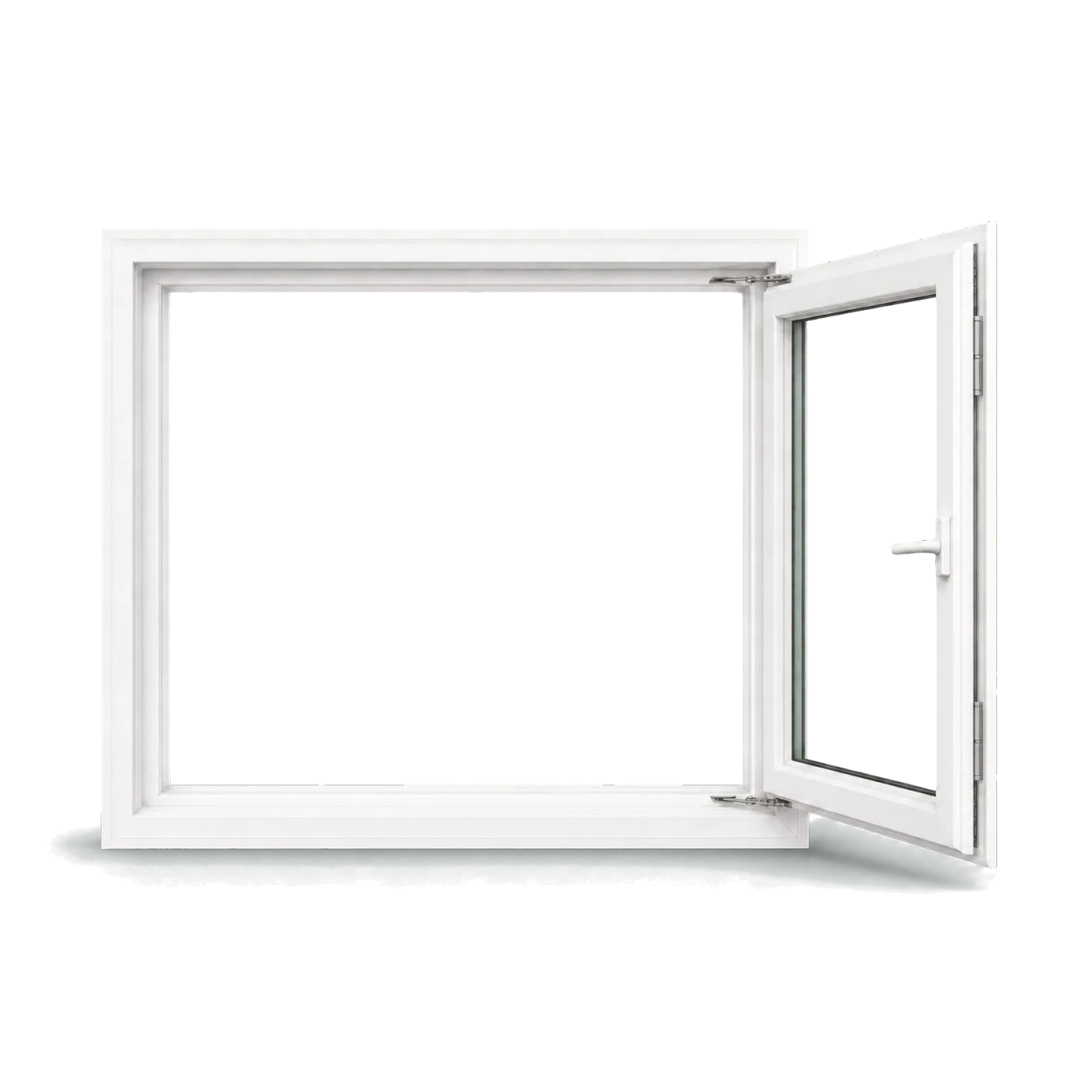
- Operating styleCasement WindowsA window with a sash hinged at the side that opens outward in the common configuration.Decision cue: Openings where outward swing clearance is availableExplore
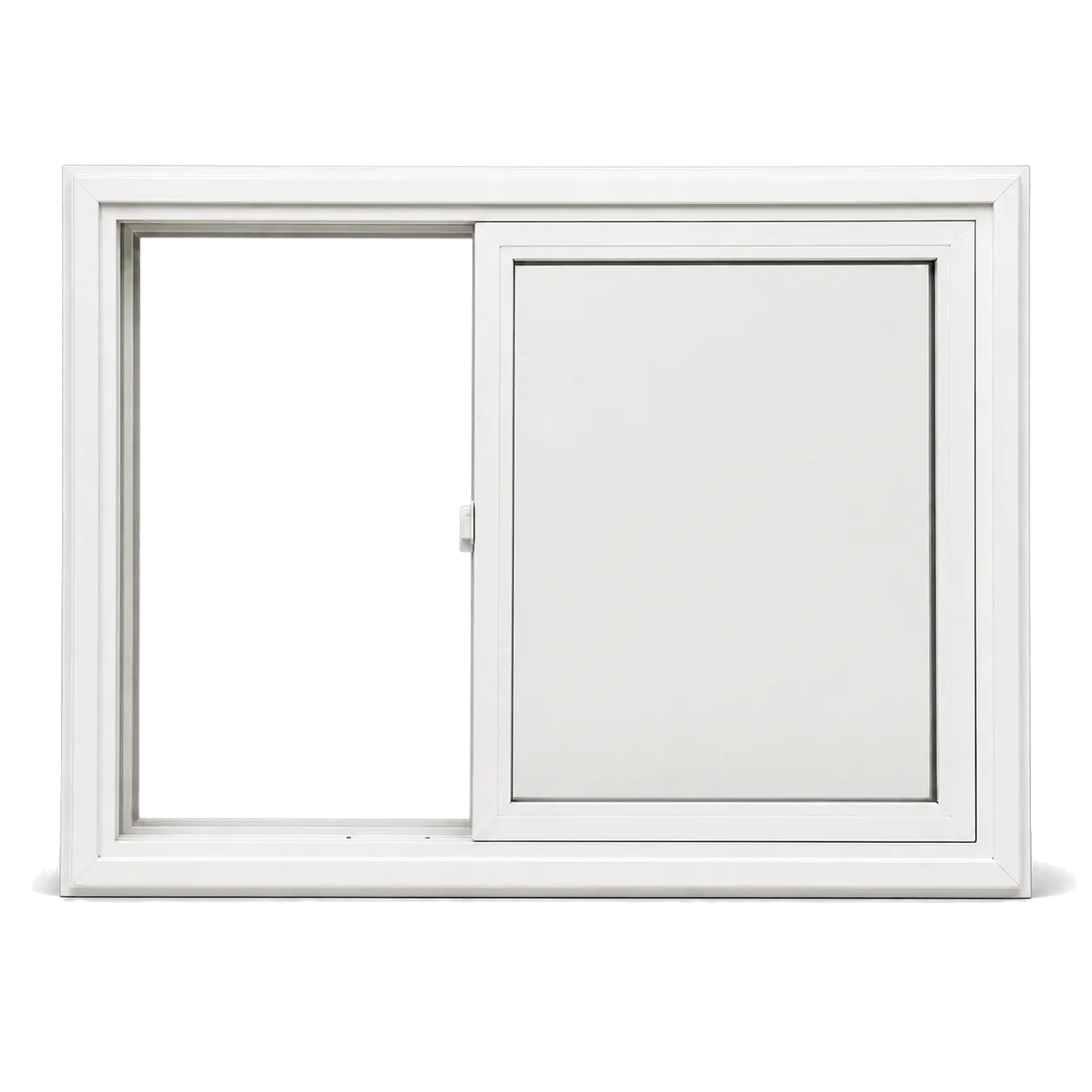
- Operating styleSliding WindowsA window with one or more sashes that move horizontally along tracks.Decision cue: Wider openingsExplore
- Operating stylePicture WindowsA fixed window designed for daylight and view rather than ventilation.Decision cue: Views and daylightExplore

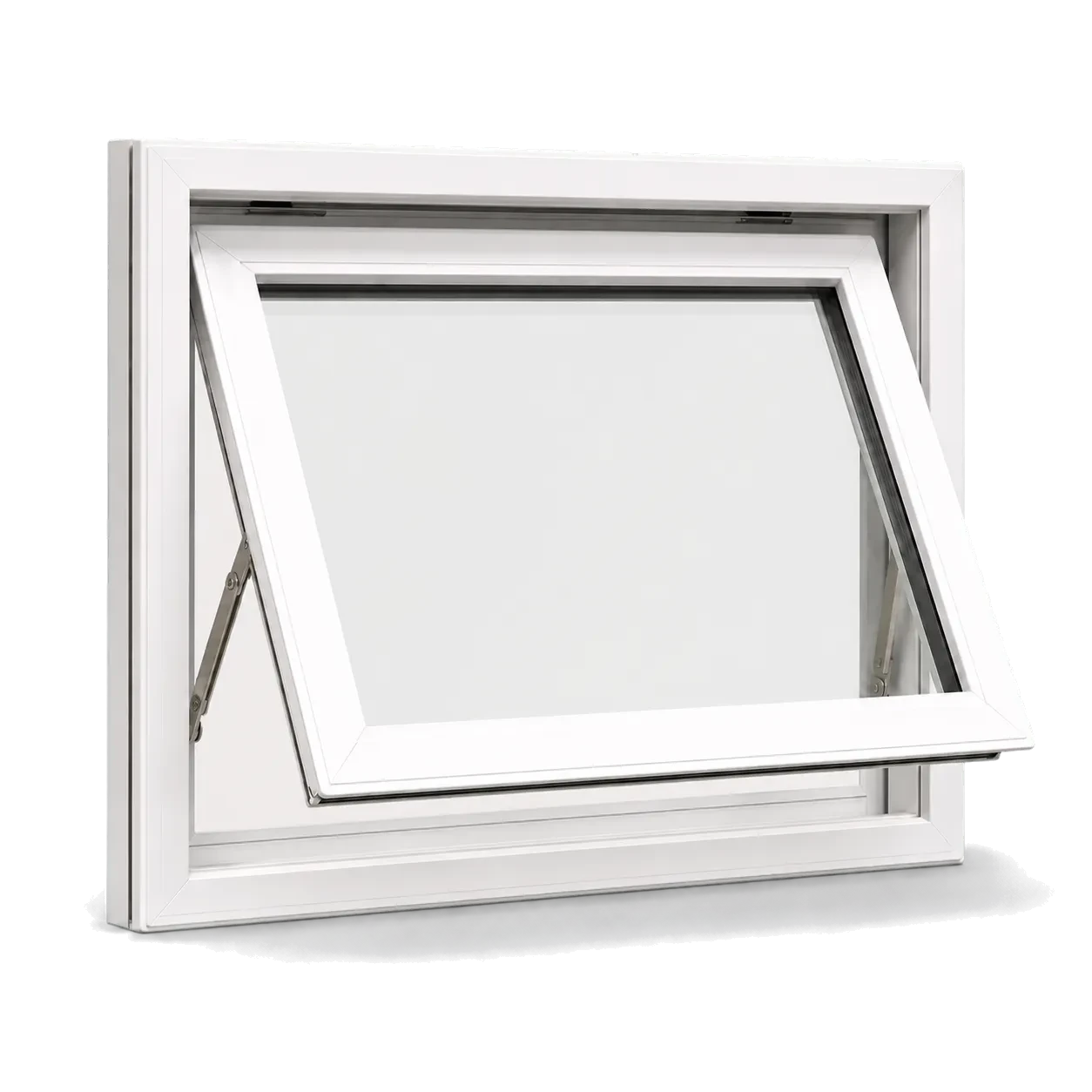
- Operating styleAwning WindowsA window hinged at the top that opens outward from the bottom.Decision cue: Openings suited to top-hinged outward operationExplore
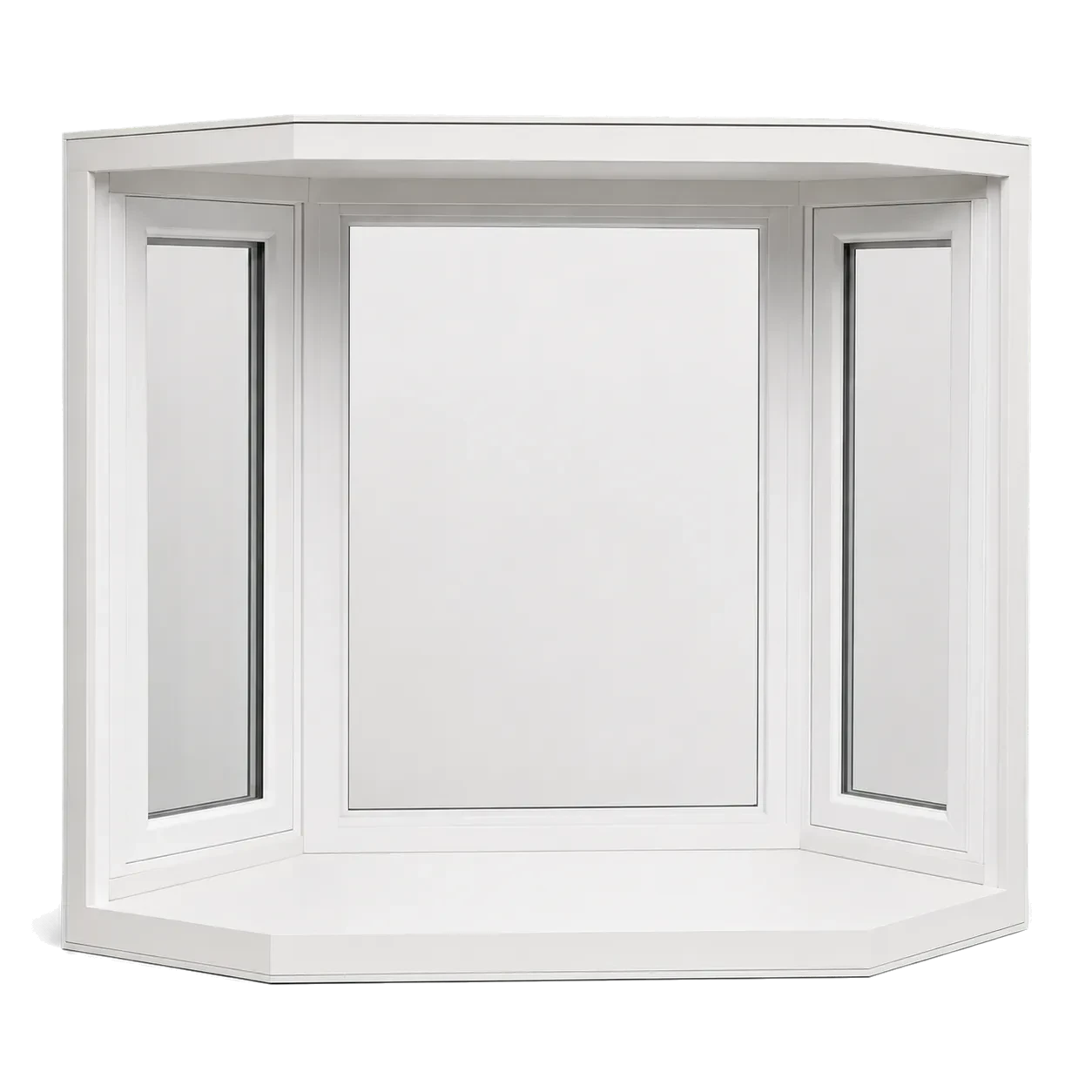
- Operating styleBay WindowsA projecting multi-unit window composition commonly arranged with an angled center-and-side geometry.Decision cue: Projecting window featuresExplore
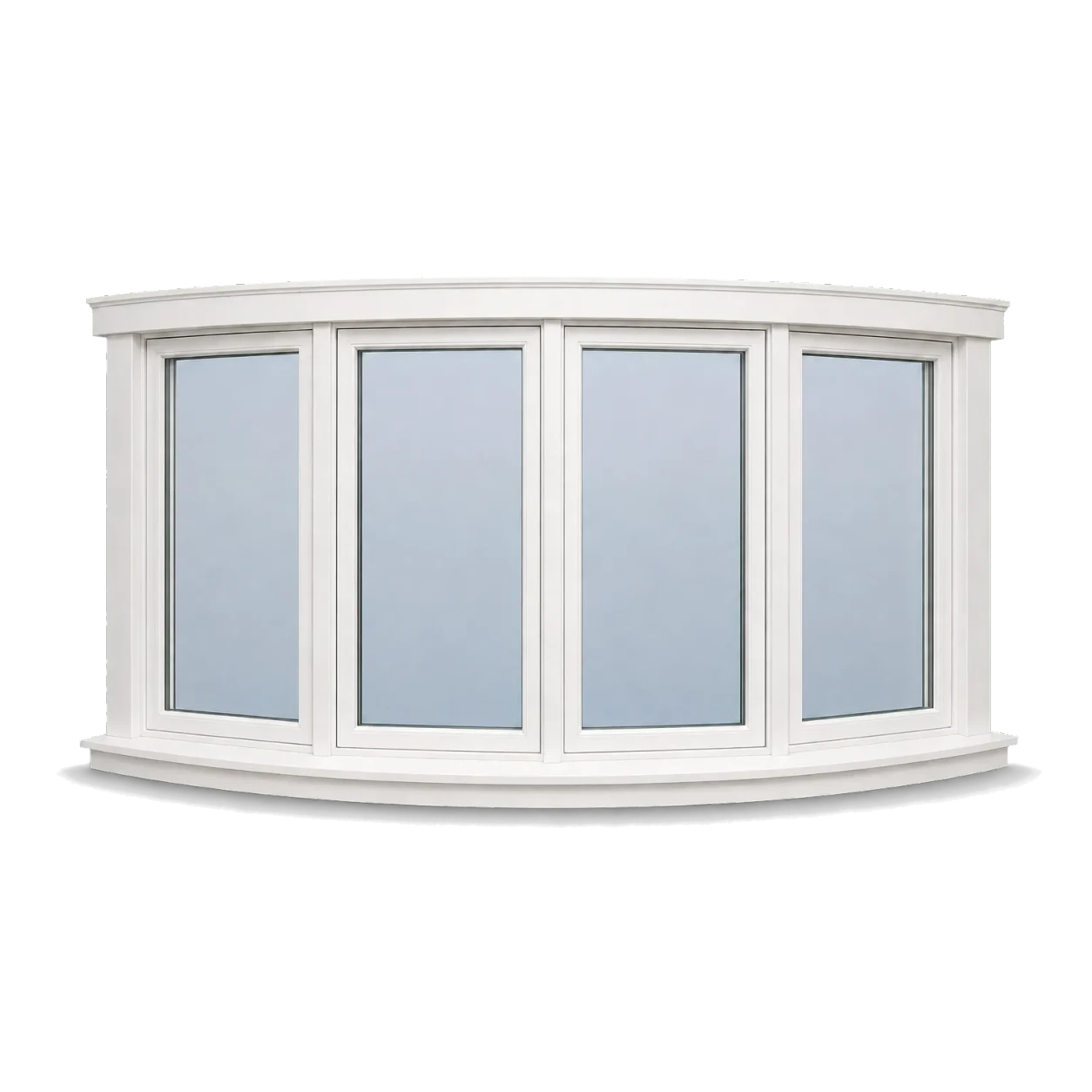
- Operating styleBow WindowsA projecting composition of multiple window units arranged to create a rounded or gently curved appearance.Decision cue: Projecting window featuresExplore
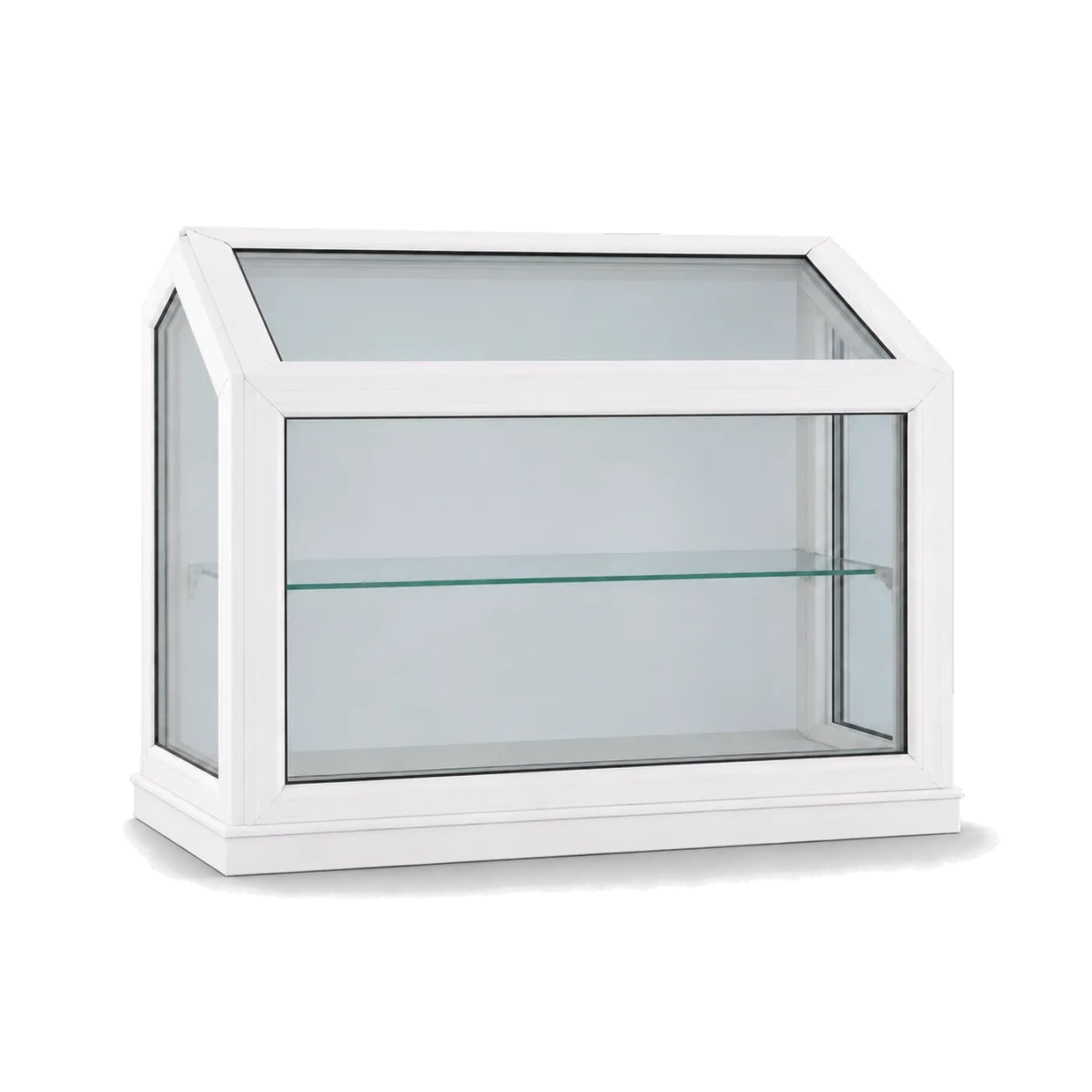
- Operating styleGarden WindowsA compact projecting window assembly with multiple glazed surfaces and an interior shelf area in common configurations.Decision cue: Kitchen or similar counter-height openingsExplore
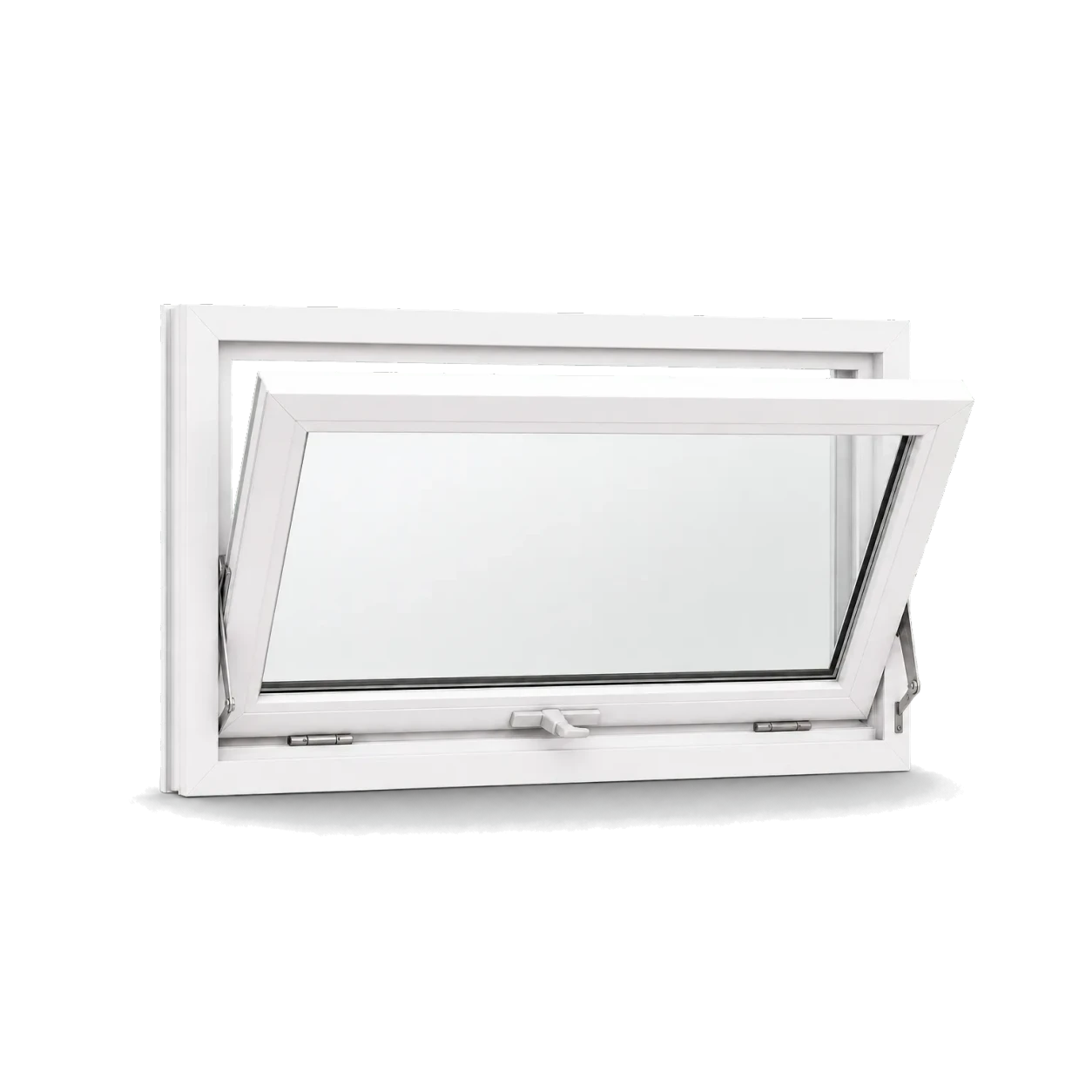
- Operating styleHopper WindowsA window commonly hinged at the bottom that opens inward from the top.Decision cue: Compact wall openingsExplore
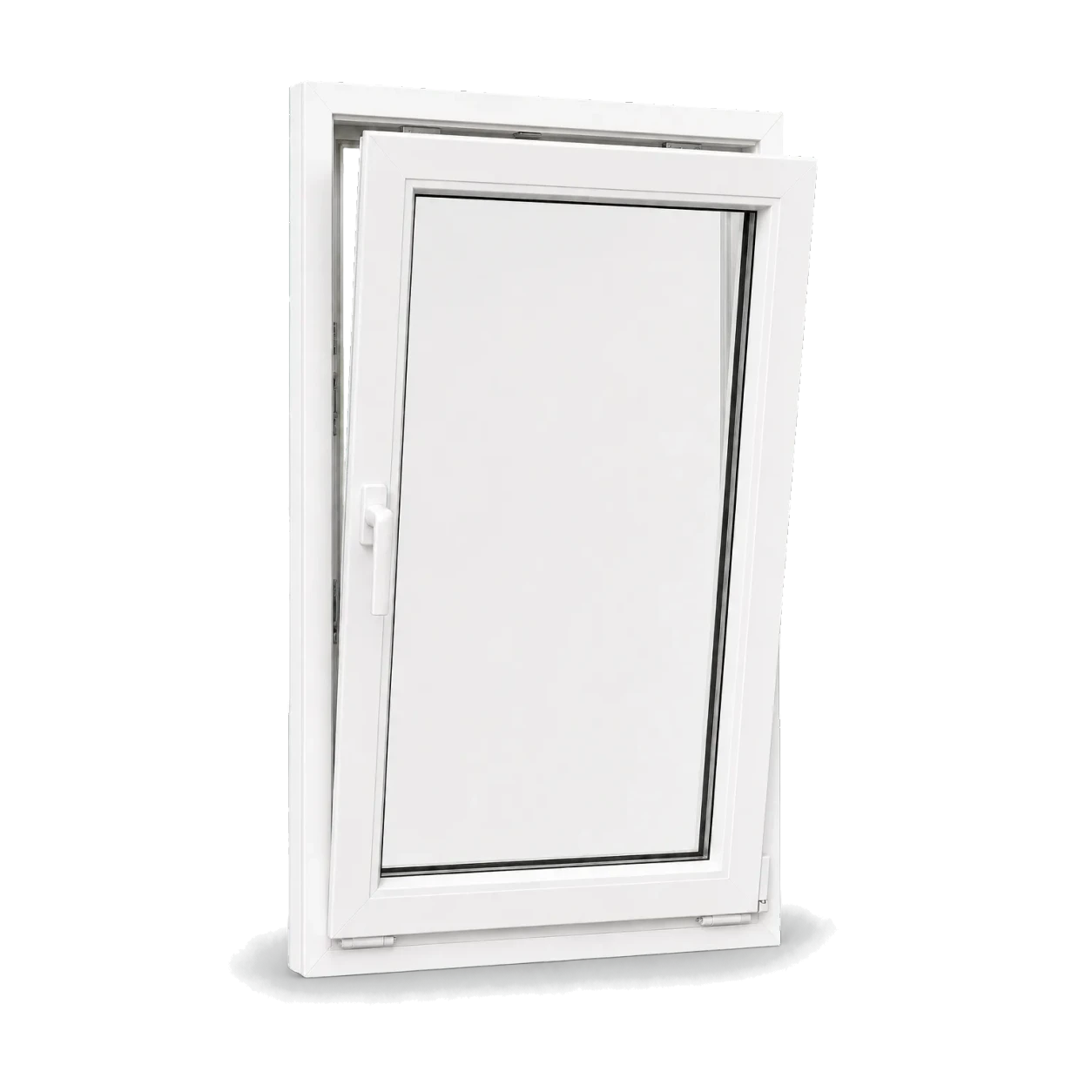
- Operating styleTilt-and-Turn WindowsA dual-operation window designed to tilt inward at the top or swing inward from a side hinge, depending on handle position.Decision cue: Projects seeking inward dual-mode operationExplore
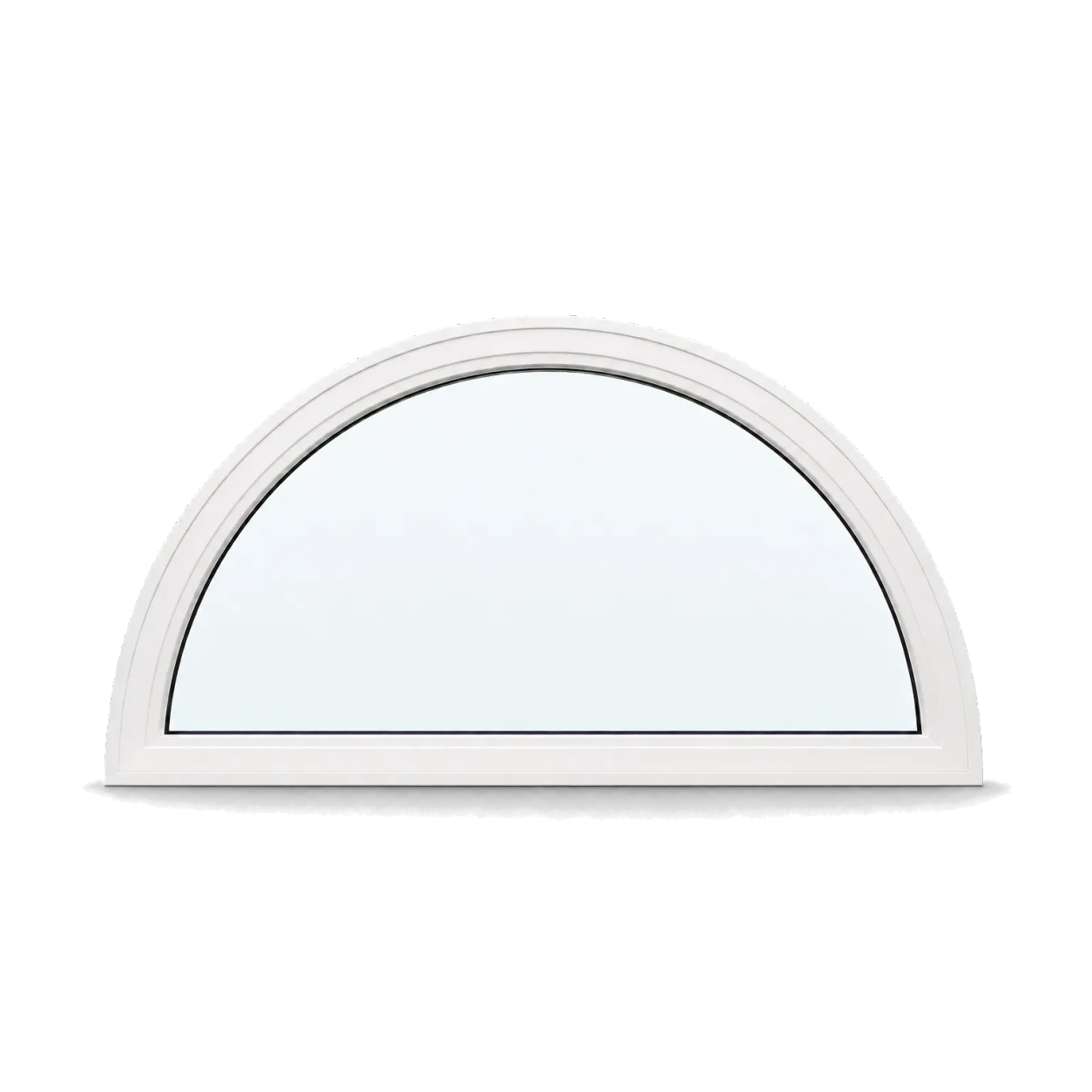
- Operating styleSpecialty-Shaped WindowsFixed or operable window configurations made in non-rectangular or otherwise project-specific shapes.Decision cue: Architectural openingsExplore
- Operating styleEgress WindowsA window and opening evaluated for emergency escape and rescue under the rules that apply to a specific property and project.Decision cue: Sleeping-room planningExplore
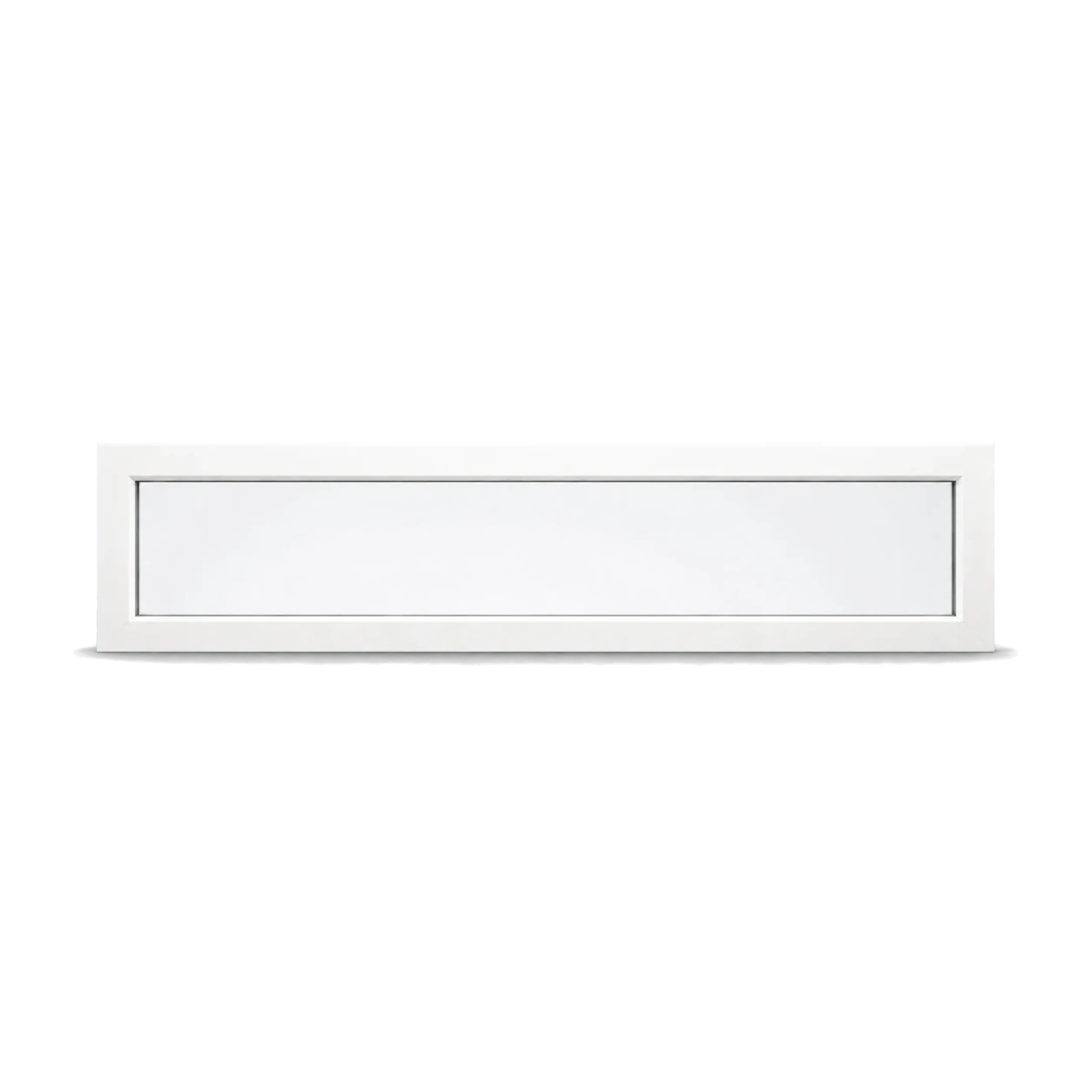
- Operating styleTransom WindowsA window positioned above a door or another window, commonly as a fixed daylight element and sometimes as an operable unit.Decision cue: Daylight above doorsExplore


Question 2
What should the frame be made of?
Material matters, but so do profile construction, reinforcement, finish, glass, hardware, maintenance instructions, climate exposure, and the complete product rating.
- Frame materialVinyl WindowsWindows whose primary frame and sash members are made from vinyl formulations; internal chambers, insulation, and reinforcement vary by product.Decision cue: Review product instructions for cleaning, track care, drainage paths, hardware, and allowable finishes.Explore
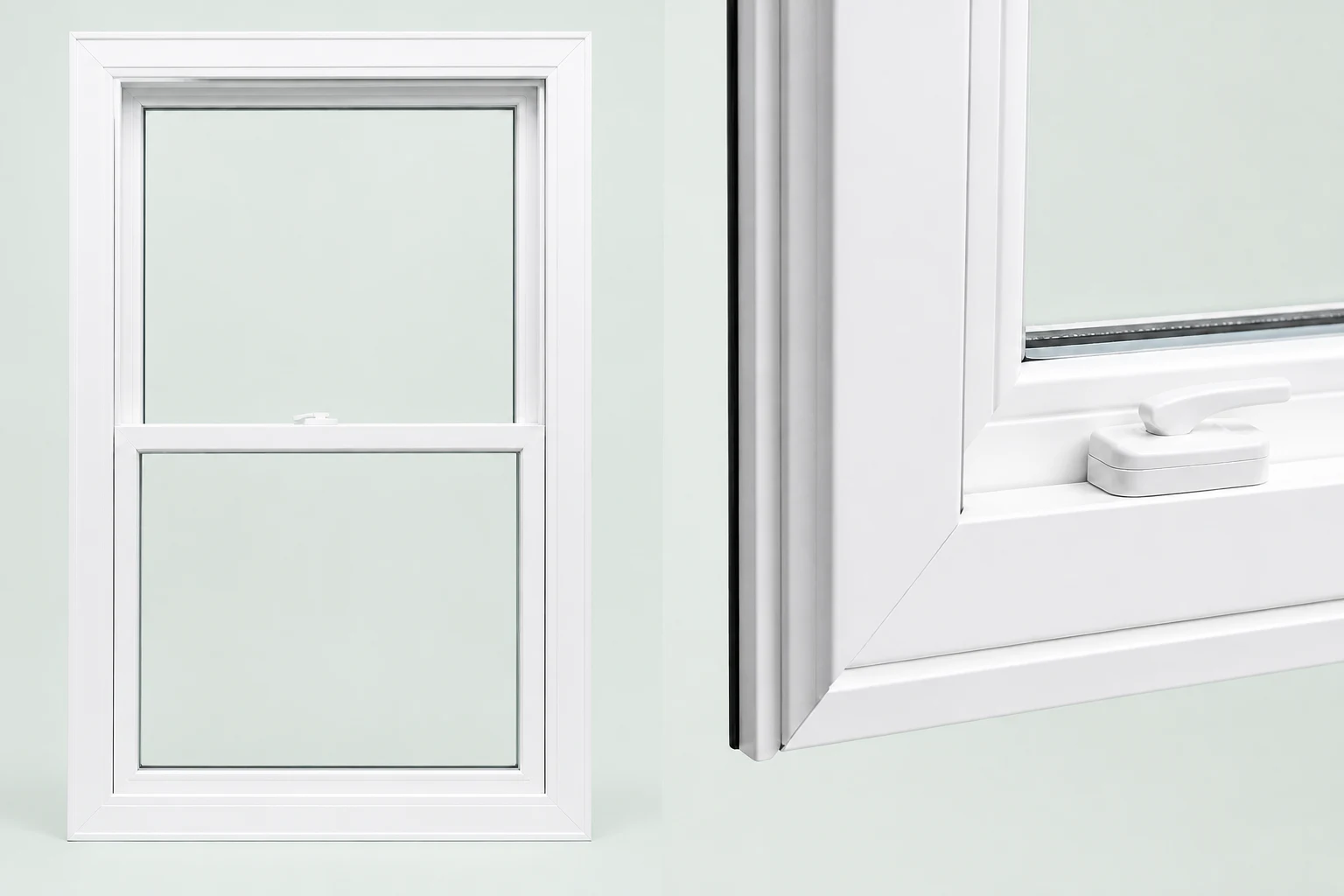
- Frame materialFiberglass WindowsWindows with frame and sash components made from fiberglass-based profiles; composition, reinforcement, insulation, and finish vary by product.Decision cue: Use the product's cleaning, coating, hardware, seal, and drainage instructions.Explore
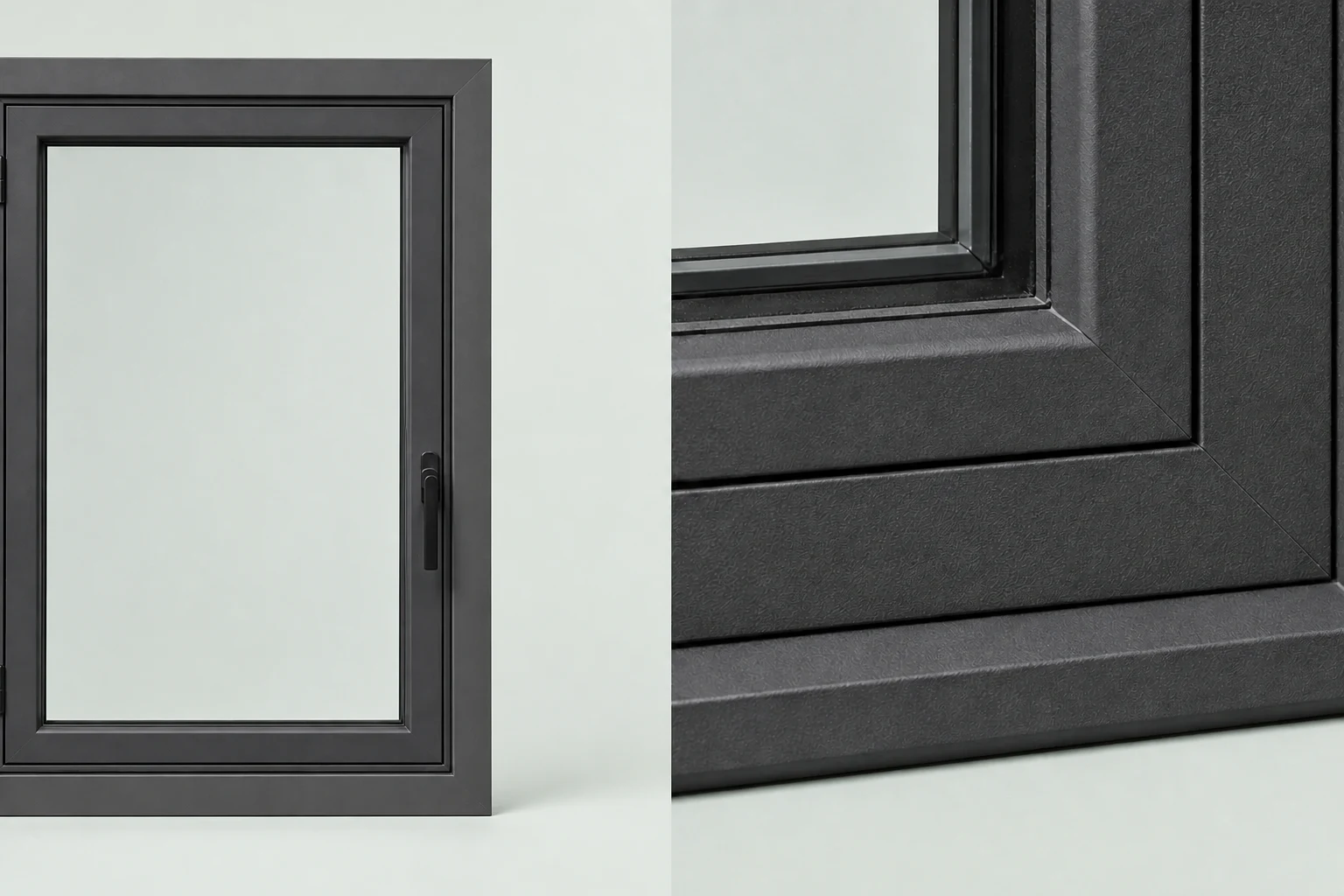
- Frame materialWood WindowsWindows with wood as a primary frame or sash material, sometimes protected by exterior cladding.Decision cue: Finish condition, joints, drainage, exposed edges, and sealant interfaces require periodic observation under the product guidance.Explore
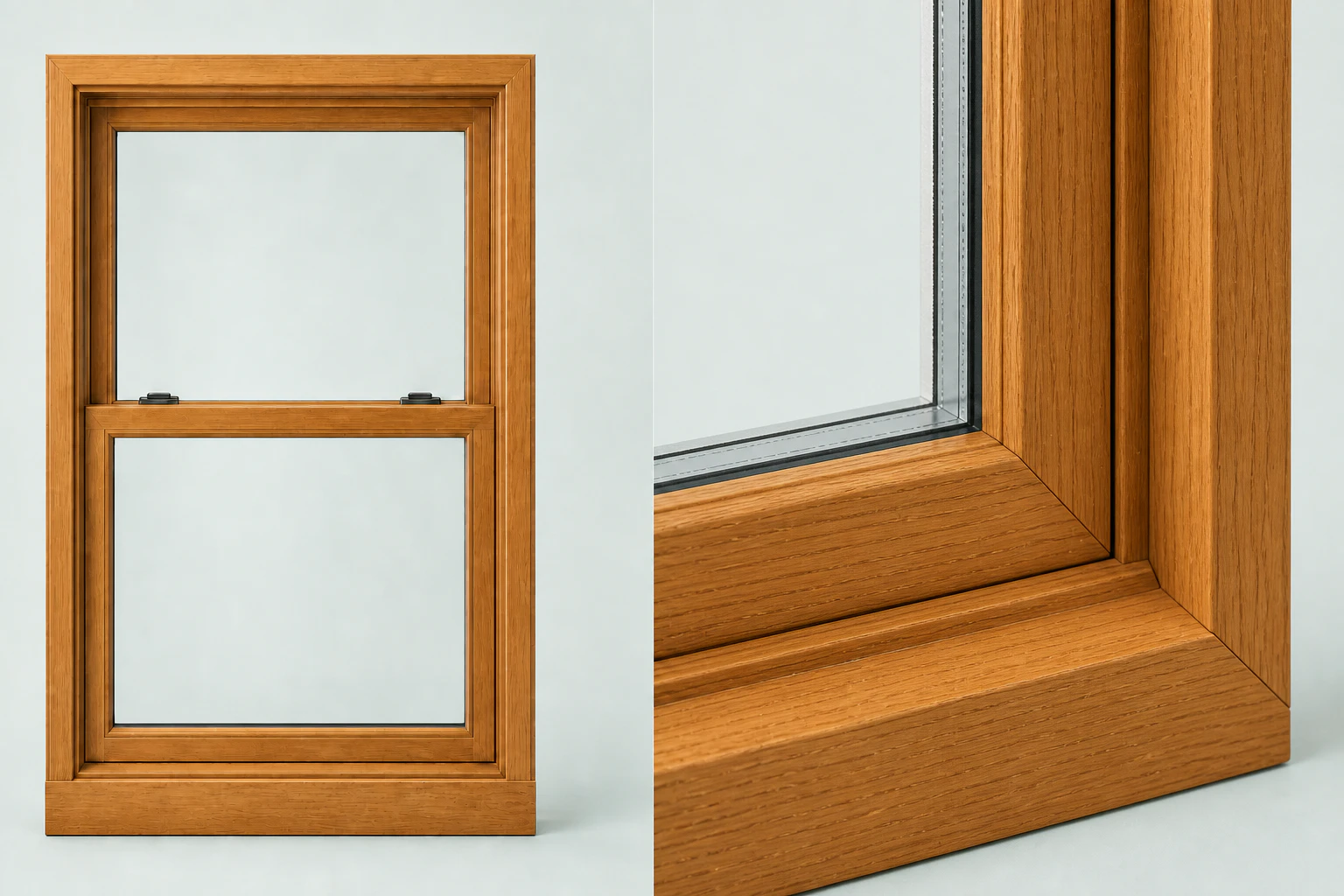
- Frame materialComposite WindowsA broad category for frames made from blended or combined materials; composition and construction can differ substantially by product.Decision cue: Cleaning, coating, repair, and exposure guidance must come from the exact product documentation.Explore
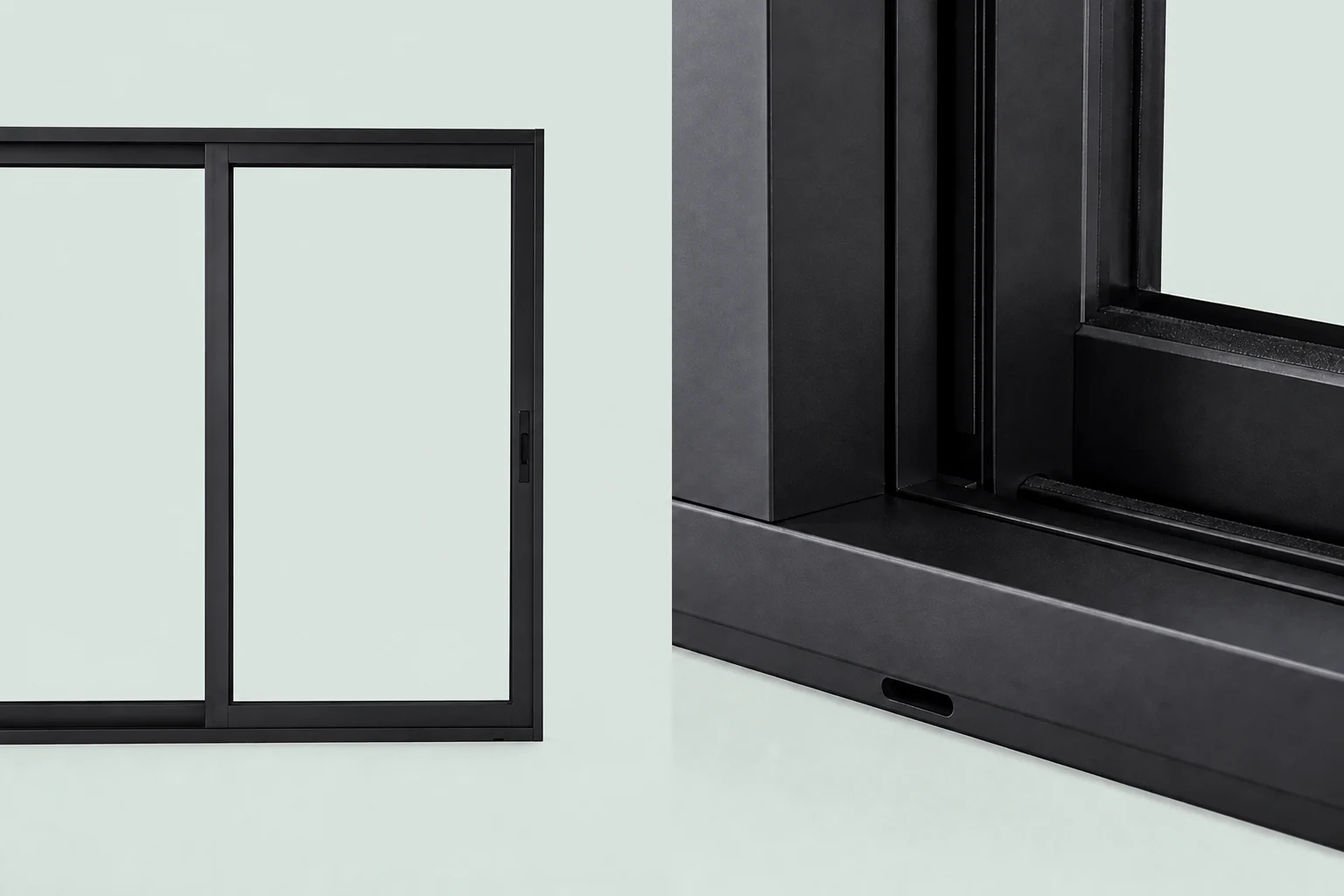
- Frame materialAluminum WindowsWindows whose primary frame members are aluminum, often with a thermal-break design in residential energy-performance applications.Decision cue: Review finish, hardware, drainage, sealant, and cleaning guidance for the exact product.Explore


Question 3
What glass and performance features matter?
Compare features through the exact window configuration. Pane count, coatings, spacers, frame, size, operation, orientation, installation, and certified ratings work together.
- Glass & performanceDouble-Pane WindowsA window glazing configuration with two panes separated by a sealed space in an insulated-glass unit.Decision cue: Compare through the exact complete-window configuration and its certified rating.Explore
- Glass & performanceTriple-Pane WindowsA glazing configuration with three panes and two intervening spaces in an insulated-glass unit.Decision cue: Compare through the exact complete-window configuration and its certified rating.Explore
- Glass & performanceLow-E GlassWindow glass with a low-emissivity coating designed to change radiative heat transfer through the glazing.Decision cue: Compare through the exact complete-window configuration and its certified rating.Explore
- Glass & performanceNFRC Window RatingsStandardized ratings for the energy performance of complete window, door, and skylight products in specified configurations.Decision cue: Compare through the exact complete-window configuration and its certified rating.Explore
- Glass & performanceENERGY STAR WindowsComplete window products independently certified to meet current ENERGY STAR performance criteria for applicable climate zones.Decision cue: Compare through the exact complete-window configuration and its certified rating.Explore
- Glass & performanceImpact-Resistant GlassGlazing used within a tested window or door assembly intended to resist specified impact and pressure conditions.Decision cue: Compare through the exact complete-window configuration and its certified rating.Explore
- Glass & performanceTempered and Safety GlassGlazing selected and tested for safety applications; tempered glass is one safety-glazing type, while other compliant constructions may be used in applicable products and locations.Decision cue: Compare through the exact complete-window configuration and its certified rating.Explore
- Glass & performanceSound-Control WindowsWindow configurations evaluated for reducing sound transmission through the complete opening without promising complete soundproofing.Decision cue: Compare through the exact complete-window configuration and its certified rating.Explore
Question 4
What is the project trying to accomplish?
The clearest path starts with the result you need, then works backward to the opening, product, installation method, and written scope.
- Replacement scopeReplace aging or damaged windowsCompare repair, glass-only work, insert replacement, and full-frame replacement before settling on scope.Decision cue: Start with the condition at each opening.Explore
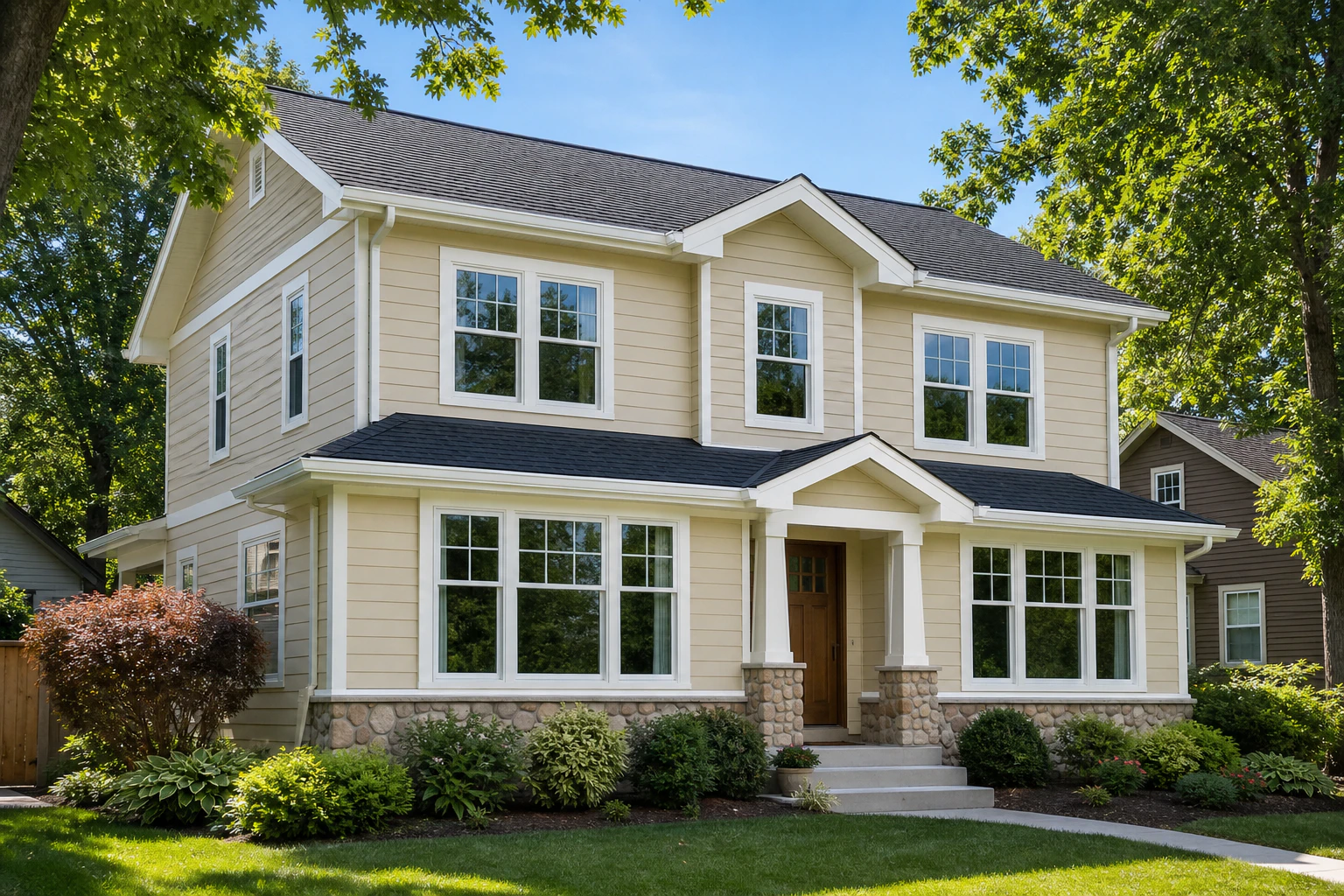
- Whole-home consistencyCoordinate a whole-home projectAlign operating styles, finishes, glass, hardware, access, phasing, and exceptions across many openings.Decision cue: Build an opening-by-opening schedule.Explore
- Comfort & efficiencyImprove comfort or performanceUse certified ratings and opening-specific context instead of relying on a pane count or feature name alone.Decision cue: Compare complete-product labels.Explore
- Problem-first pathSolve a window problemStart with observable symptoms and safe checks before deciding whether repair, replacement, or assessment may fit.Decision cue: Describe what happens, where, and when.Explore
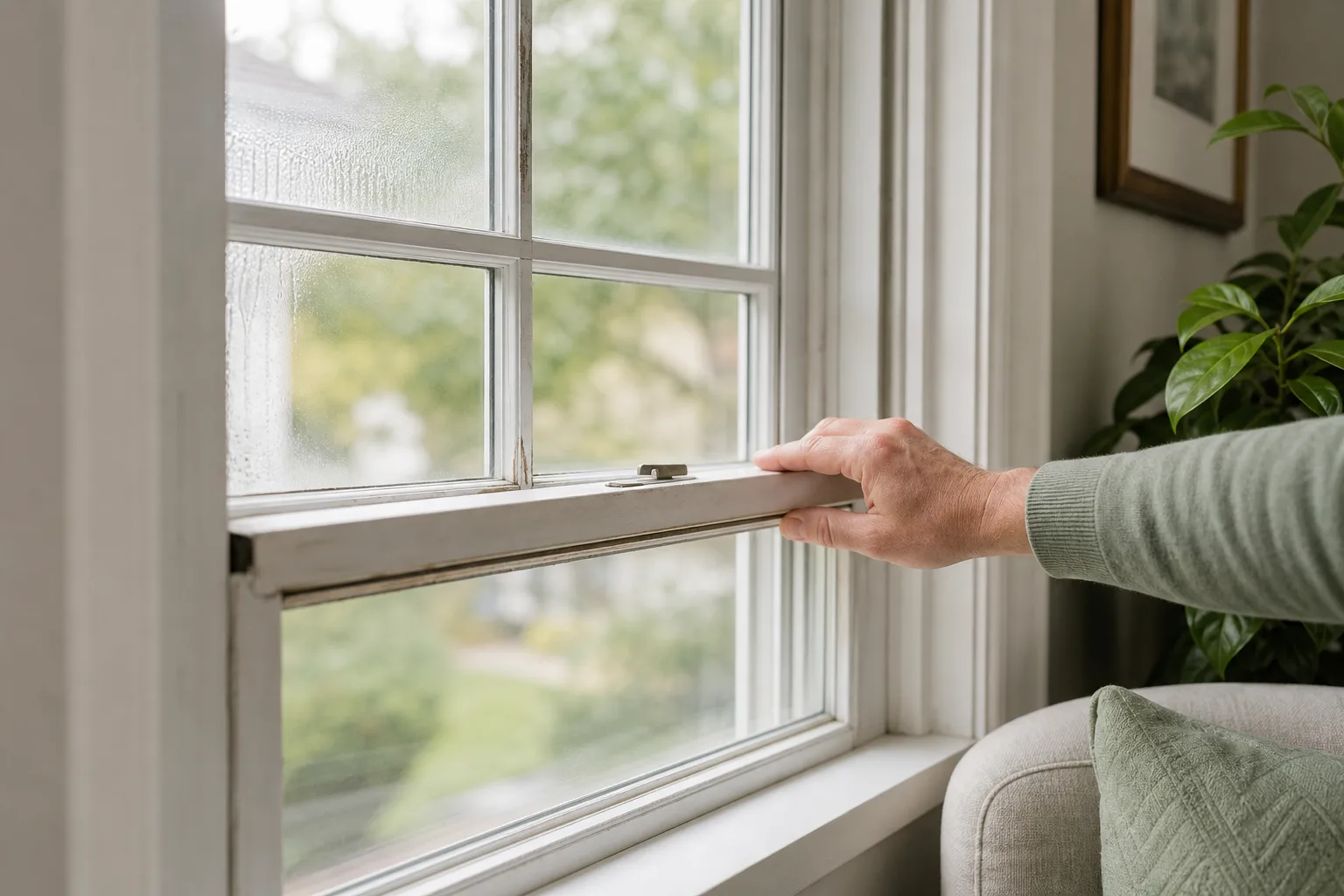


Compare operating styles
See the practical differences side by side
This matrix is a starting point. Product-specific hardware, opening limits, screens, cleaning features, and performance still need to be checked.
| Compare | Double-hung | Casement | Sliding | Picture |
|---|---|---|---|---|
| How it opens | Upper and lower sashes move vertically. | A side-hinged sash swings outward. | One or more sashes move side to side. | Fixed glazing does not open. |
| Ventilation cue | Open either sash as the product allows. | The full sash opening can catch or direct air. | Only the operable portion opens. | Pair with an operable unit when ventilation is needed. |
| What to check | Meeting rail, balances, tilt features, and cleaning access. | Exterior clearance, operator, hinge side, and screen location. | Track care, removable-sash details, and opening width. | Glass area, safety glazing, view, and adjacent ventilation. |
Compare frame materials
Use the material name as the start of the comparison
The exact profile, finish, reinforcement, glass package, hardware, installation, care instructions, and warranty terms can matter as much as the broad material category.
| Compare | Vinyl | Fiberglass | Wood |
|---|---|---|---|
| Maintenance | Review cleaning, track care, drainage, and finish limitations. | Review the finish system and product-specific care. | Plan for inspection and care of exposed or finished wood surfaces. |
| Design cue | Compare profile depth, reinforcement, and factory finish choices. | Compare profile, finish, corner construction, and reinforcement. | Compare interior finish, exterior protection, joints, and cladding details. |
| Performance cue | Use the complete-product label rather than the material name alone. | Use the exact frame, glass, size, and operating-style ratings. | Compare complete ratings, glazing, cladding, and installation scope. |
Not sure where to start?
Use three questions to narrow the field
You do not need to choose every specification before speaking with a professional. A clear goal and a consistent set of questions are enough to begin.
- STEP 1
Name the goal
Choose the main concern: operation, damage, appearance, comfort, performance, or whole-home consistency.
This keeps the comparison tied to a real need.
- STEP 2
Describe the opening
Note room use, current style, dimensions, access, exterior clearance, visible condition, and finish details.
This identifies options that may fit the actual opening.
- STEP 3
Compare written configurations
Ask for exact product identity, ratings, installation method, trim, repairs, disposal, warranty responsibility, and exclusions.
This turns product names into comparable proposals.
Ready to compare options for your home?
Share the project basics, then compare the exact products, installation scope, responsibilities, and written terms offered by independent window professionals.